Eco-Friendly Play: The Sustainability Benefits of Modular Flooring
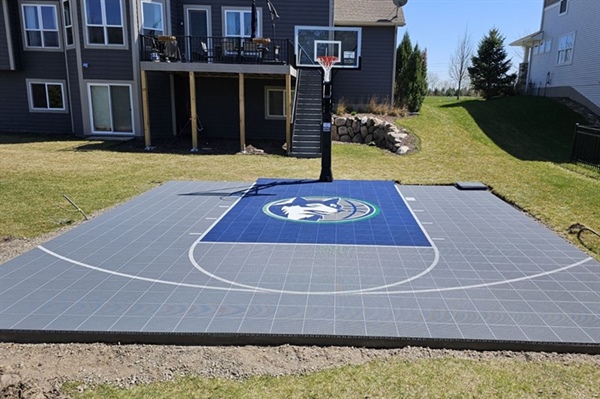
Environmentally conscious homeowners and commercial facility managers are increasingly looking at the ecological footprint of their large physical investments. When building outdoor play spaces or indoor gymnasiums, traditional asphalt, concrete, and hardwood surfaces often require heavy energy consumption, frequent chemical maintenance, and regular replacement. Sport Court modular flooring provides a sustainable alternative designed to lower environmental impact while delivering high-performance athletic play.
Switching to high-performance modular court surfaces significantly reduces long-term waste and raw material consumption. Built with advanced polymers, these specialized tiles offer exceptional durability, easy recyclability, and smart water management capabilities. Choosing eco-friendly play surfaces allows property owners to create versatile, safe athletic environments while upholding their commitment to environmental stewardship.
Key Takeaways:
- Modular court tiles utilize recyclable polypropylene materials to keep long-term waste out of local landfills.
- Open-grid surface designs allow natural rainwater drainage, preventing excess runoff and soil erosion.
- Extreme durability and low-maintenance needs eliminate the need for harsh chemicals, repaving, or toxic sealants.
How Are Modular Tiles Recyclable?
Sport Court modular flooring tiles are primarily manufactured from high-grade polypropylene, a durable thermoplastic polymer that is 100% recyclable. Unlike traditional asphalt or continuous poured concrete surfaces that crumble into unrecyclable debris during demolition, modular court tiles can be cleanly removed, melted down, and repurposed into new products at the end of their lifecycle. Choosing sport court flooring tiles ensures that your athletic foundation supports a circular economy rather than adding to growing municipal waste streams.
In addition to zero-landfill potential, the manufacturing process of modular tiles emphasizes sustainable resource management. Raw materials are utilized with high efficiency, generating minimal factory waste during production. Facility managers can also opt for sustainable indoor choices like LinoSport linoleum, which relies on natural ingredients such as wood flour, linseed oil, and cork to provide environmentally responsible indoor playing options.
How Does Grid Design Manage Water?
The open-grid architecture of outdoor modular tiles allows natural rainfall and surface moisture to flow directly through the court onto the subsurface layer below. This self-draining design prevents water from pooling on top of the court, eliminating the standing water hazards common to traditional acrylic-coated concrete surfaces. Properties installing a backyard multi-sport court benefit from instant rainwater management that keeps playing surfaces dry and ready for action immediately after heavy downpours.
By facilitating natural drainage, the grid structure reduces storm runoff into local sewer systems and minimizes surrounding soil erosion. Traditional impervious paving creates massive water runoff that carries pollutants into local watersheds and rivers. The permeable nature of modular tile systems maintains natural water infiltration patterns, preserving soil hydration and reducing the ecological strain on urban drainage infrastructure.
Why Does Durability Reduce Landfill Waste?
Extreme longevity is one of the most effective ways modular flooring protects the environment. While standard outdoor courts require resurfacing, repaving, and toxic chemical sealants every few years, high-grade court tiles are engineered to withstand extreme heat, freezing winters, and constant foot traffic for decades. Sport Court MN provides long-lasting modular flooring solutions in Bloomington, MN, that remain functional and vibrant over long periods of heavy use without breaking down.
Because these surfaces do not crack or degrade like asphalt, they eliminate the continuous cycle of destruction, disposal, and repaving that fills local landfills. When individual tiles do suffer isolated damage, property owners can simply unclip and replace single tiles rather than tearing up and disposing of the entire court surface. This modular repairability drastically lowers total material consumption over the lifespan of the installation.
How Does Low Maintenance Help Ecosystems?
Maintaining traditional hardwood gym floors or outdoor painted courts requires aggressive chemical strippers, petroleum-based paints, dark sealants, and thousands of gallons of water for continuous pressure washing. Modular synthetic court surfaces require no harsh chemical treatments, resurfacing coats, or intensive water washing to retain their pristine appearance. Choosing a backyard pickleball court installation lets homeowners maintain a clean court using simple water sweeps and mild, eco-friendly cleansers.
By eliminating toxic runoff, modular surfaces help protect surrounding vegetation, soil organisms, and groundwater supplies from dangerous chemical runoff. Furthermore, outdoor court tiles incorporate UV-stabilizing technology that keeps colors bright without needing fresh coats of solvent-heavy paints. This chemical-free upkeep drastically cuts VOC emissions and keeps harmful compounds out of the atmosphere.
What Are the Eco-Friendly Indoor Options?
Indoor athletic spaces can also achieve high levels of sustainability through modern modular systems. Surfaces like Maple Select provide the elegant aesthetic and high-performance bounce of traditional hardwood maple without requiring the destruction of mature timber forests. Commercial facilities utilizing multi-purpose athletic flooring eliminate the constant sanding, dust generation, and varnish reapplication required by natural wood floors, protecting indoor air quality for athletes.
Other eco-friendly indoor surface choices include sports linoleum and recycled rubber systems like Dropzone Rubber flooring, which incorporates post-consumer recycled rubber underlayments. These indoor systems absorb impact, lower noise pollution, and support long-term wellness without off-gassing toxic chemicals. Commercial centers, schools, and home gyms can create healthier, sustainable training environments while reducing their overall environmental footprint.
Frequently Asked Questions
Are Sport Court tiles safe for local groundwater and soil?
Yes, Sport Court tiles are crafted from non-toxic, high-density polypropylene polymers that do not leach harmful chemicals or heavy metals into the surrounding soil. Their chemical stability ensures safe water percolation into local groundwater tables during rainstorms.
Can individual damaged tiles be recycled separately?
Yes, because the modular interlocking system allows individual tiles to be detached easily, damaged pieces can be removed and sent directly to plastic recycling streams. This single-tile replacement prevents the wasteful replacement of entire court sections.
How do modular court tiles compare to asphalt in heat retention?
Modular tiles are engineered with open-grid structures and heat-reflecting UV stabilizers, allowing air to circulate freely beneath the surface. This design retains significantly less heat than dark, solid asphalt surfaces, helping mitigate the local heat island effect in residential yards.
At Sport Court MN, a division of C&C Courts Inc., we are committed to helping homeowners, schools, and commercial facilities build high-performance athletic spaces that honor environmental sustainability. From initial design to expert installation, our team provides durable, eco-friendly modular court solutions tailored to your unique athletic needs.
Ready to upgrade your property with a long-lasting, sustainable court surface? Contact us today to learn more about our modular products and request a customized project quote.
