Landscaping Around Your Backyard Game Court: Plants That Thrive and Plants to Avoid
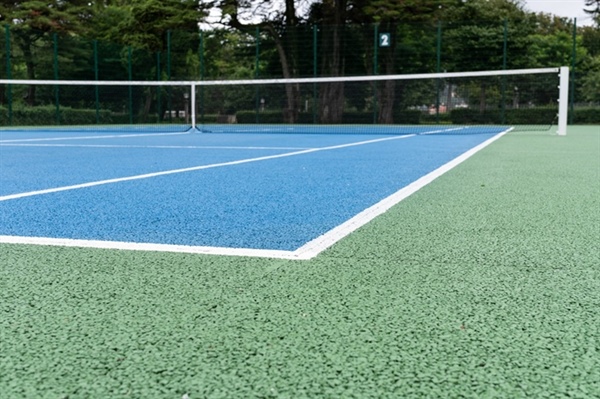
Installing a custom sports court in your backyard is a game-changer for active families. It creates a dedicated space for basketball, pickleball, and more, right outside your back door. But once construction is complete, homeowners often ask: What about landscaping?
Thoughtful landscape design around a sports court is essential. In Minnesota, where the seasons shift dramatically from humid summers to freezing winters, selecting the right plants around your court keeps your outdoor space clean and sharp while minimizing maintenance.
Plants around your sports court can help maximize privacy, aesthetics, and shade while keeping leaves, sap, berries, and debris off your court surface. Let’s take a look at what to plant–and what to avoid–around your Minnesota sports court.
What to Avoid: The “High-Maintenance” Plant List
Before picking your landscaping, it helps to know which species create daily headaches for court owners. Falling fruit, sticky sap, aggressive root systems, and heavy leaf drops can stain your surface, create slick hazards, and force you to sweep before every pickup game.
Let’s take a look at which plants to avoid:
Fruiting Trees and Berry Bushes
Common culprits include:
-
Mulberry
-
Serviceberry
-
Crabapple
-
Ornamental Cherry trees
Why avoid these? Birds love these trees, but your court surface won’t. Dropped berries get crushed underfoot, leaving tough stains on custom tile colors. Additionally, squashed fruit gets slippery and attracts wasps, bees, flies, and ants.
Heavy Sap Producers
Common culprits include:
-
Eastern White Pine
-
White Birch
-
Cottonwood
Why avoid these? Evergreens are great for year-round screening, but pine trees drop sap, needles, and heavy cones. Tree sap creates sticky patches on court tiles that trap dirt and are notoriously difficult to clean. Cottonwood trees shed fine white fluff every June that clogs perimeter drainage (and it makes allergies flare up, too).
Aggressive Leaf Shedders and Shallow Roots
The common culprits include:
-
Silver Maple
-
Willow Trees
Why avoid these? Maples drop endless helicopters (samaras) in spring and heavy leaf cover in fall. Their shallow, aggressive roots can also push against court sub-cases and retaining walls over time, leading to uneven borders.
What to Plant: Court-Friendly Minnesota Winners
The ideal court-side plants are sturdy, tidy, non-fruiting, and cold-hardy. Look for species that offer privacy screening, soften the court’s hard edges, and thrive in upper Midwest soils.
Sturdy, Low-Debris Shrubs and Hedges
-
Techny Arborvitae
-
Acts as the ultimate Minnesota privacy hedge. It holds a dense, deep-green pyramid shape year-round, handles heavy snow loads without splitting, and sheds fewer needles than pines.
-
Boxwood
-
Panicle Hydrangea
-
Extremely cold-hardy and sturdy, panicle hydrangeas produce large, showy summer blooms without messy dropping fruit. Their sturdy stems hold up well even if an errant basketball occasionally bounces into the bed.
Tidy Shade and Accent Trees
-
Ginkgo Tree
-
Japanese Lilac Tree
Durable Native Perennials for Court Borders
Smart Landscaping Layout Tips for Game Courts
Beyond plant selection, how you lay out your garden beds impacts court maintenance:
-
Leave a Buffer Zone: Keep large shrubs and trees planted at least 3 to 5 feet back from the court containment fencing or ball containment nets. This prevents branches from rubbing against the court structure during strong winds.
-
Use Shredded Bark Mulch: Heavy shredded hardwood mulch stays in place during summer thunderstorms. Lightweight wood chips or river rock can easily get kicked onto the court surface, creating tripping hazards.
-
Plan for Drainage: Ensure garden beds slope slightly away from the court sub-base. Proper grading prevents soil washouts across your playing surface during heavy spring rains.
Build the Ultimate Outdoor Living Space with Sport Court Minnesota
A custom backyard game court is the centerpiece of your outdoor space. Pair your sports court surface with smart, low-maintenance Minnesota landscaping to spend less time sweeping debris and more time enjoying the game with family and friends.
Ready to design your dream backyard court? Contact Sport Court MN, a division of C&C Courts Inc. today to schedule an on-site consultation and start planning your custom athletic court!
